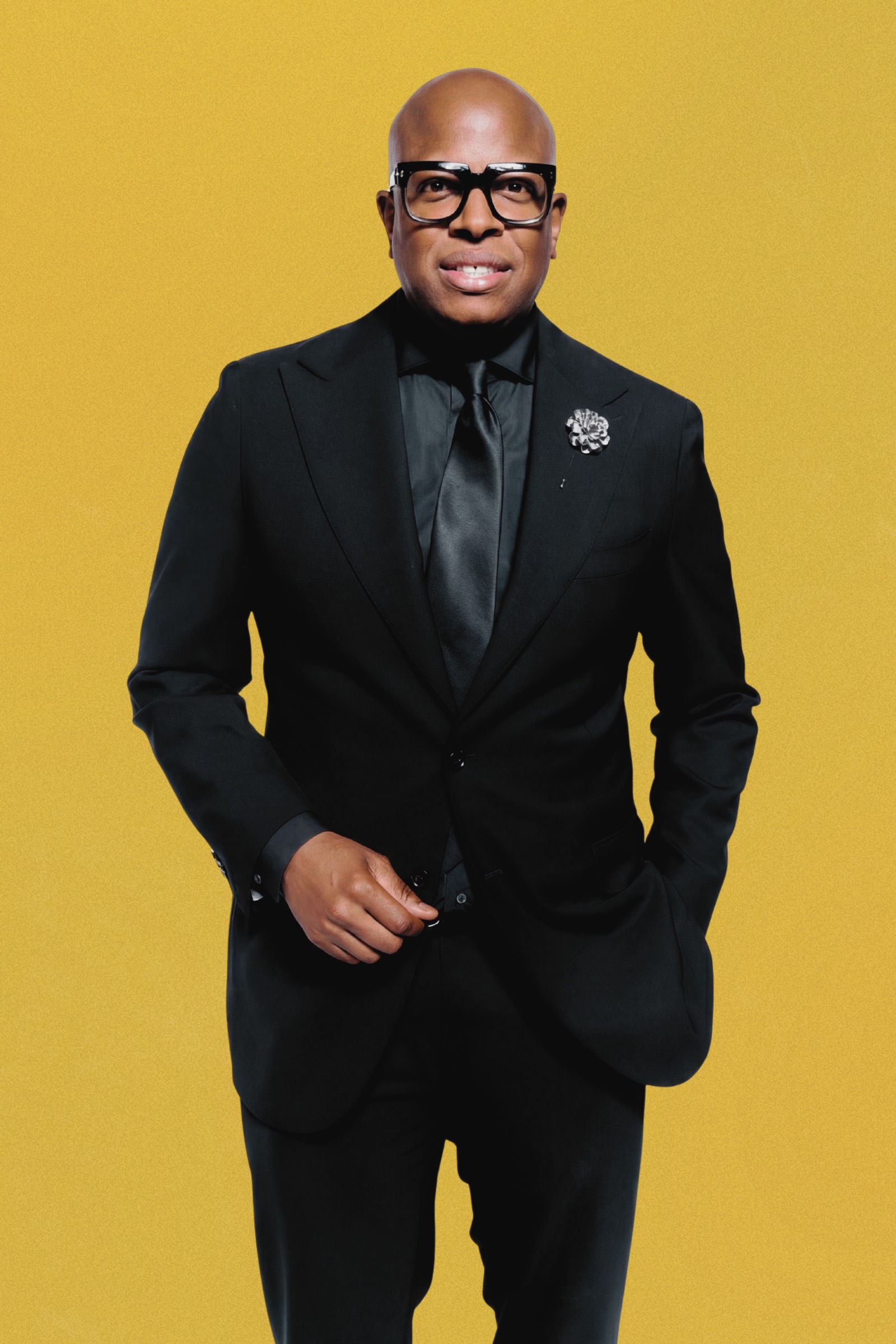
I spent years doing the math before every big meeting: hat or no hat, du-rag or bare, explain or hope nobody asks. I lost every hair on my body to alopecia universalis by seventeen: scalp, brows, lashes, all of it. And I built a career in technology while running that calculation in the back of my head. So when I tell you what works in an interview, it isn’t theory. It’s scar tissue.
Do I have to bring it up?
No. Your hair is not a qualification. An interviewer shouldn’t ask about your appearance, and you’re under no obligation to volunteer it. Most of the anxiety here comes from imagining the other person’s curiosity as a demand. It isn’t. In my experience, the interviewer is thinking about their open role, their next meeting, and their lunch, roughly in that order.
That said, some people feel lighter naming it and moving on. If that’s you, keep it to one sentence, delivered like a weather report:
“In case you’re wondering: I have alopecia. It doesn’t affect my health or my work. So, about the role…”
Notice what that sentence does: it answers the question they were too polite to ask, closes the topic, and hands the agenda right back. No apology, no backstory, no seminar.
Hat, wig, or as-you-are?
Here’s the test I wish someone had given me: walk in as the person who’s going to show up on day one. If you wear a wig every day and it’s part of how you move through the world, wear it, with pride. If you don’t, then covering up for the interview buys you one comfortable hour and sells you weeks of dread about the reveal. I’ve done the math on that trade. It’s a bad one.
The interview isn’t just them evaluating you. It’s you rehearsing the version of yourself who works there. Rehearse the real one.
What interviewers actually notice
After years on both sides of the table, I can tell you the thing that actually moves a room isn’t hair. It’s bracing. When you walk in braced for judgment, you answer questions half a beat late, you shrink your wins, you audition instead of converse. People read that as doubt about the job, not about your hairline. They can’t tell the difference. That’s the real cost.
The fix isn’t “be confident,” which is advice the way “be taller” is advice. The fix is preparation you can stand on:
- Decide your one sentence in advance, whether you plan to use it or not. Having it in your pocket ends the background calculation.
- Prepare your value out loud. Say your three proudest results to a mirror until they sound like facts, not boasts. Facts don’t flinch.
- Pick clothes that feel like yours. Sharp and comfortable beats costume-formal. You want zero items on your body that need managing.
- Arrive early enough to breathe. Rushed is braced. Ten quiet minutes in the car is a professional tool.
What if they react badly?
Occasionally someone’s face does a thing, or a clumsy question slips out. Let me reframe what just happened: you received free information about that workplace. A company where your bare head is a problem in the interview is a company where it stays a problem after the offer. You didn’t lose an opportunity. You skipped a bad chapter.
In Bald in The Boardroom I call this moving from Recognition to Response, the first two of the 5 Rs. You can’t control the first look. You fully control the next sentence. That’s where the power sits.
I’m not a doctor, and this isn’t medical advice. It’s lived experience. For medical questions about alopecia, talk with a professional; for community and resources, the National Alopecia Areata Foundation is a great place to start.