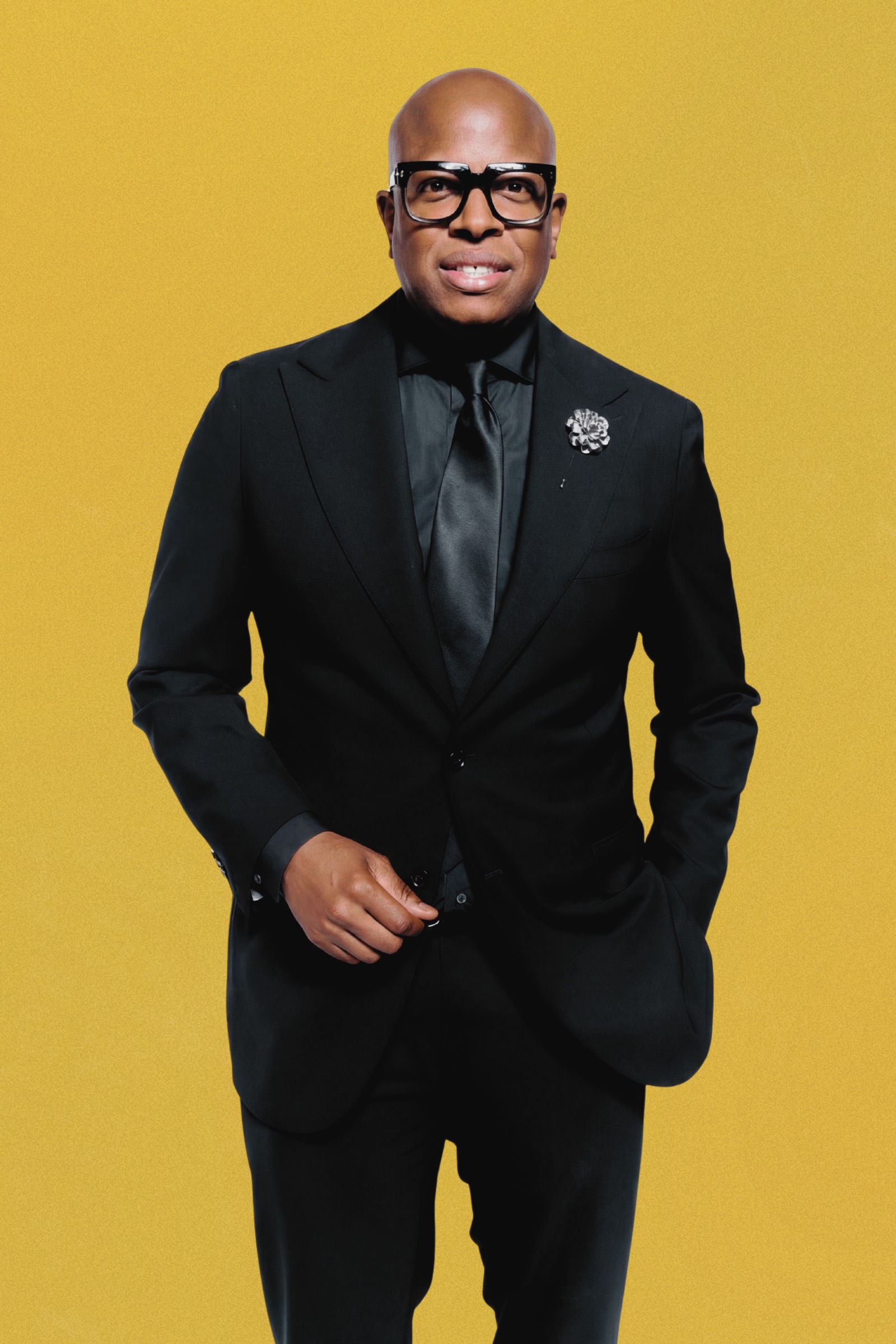
Let me start where most confidence advice refuses to: it’s hard. When I found my first bald spot at fifteen, I watched my hairline every morning like I could will it back into place. By seventeen, alopecia universalis had taken everything: scalp, eyebrows, eyelashes. I spent the years after under du-rags and hats, doing the exhausting math of never being fully seen. Anyone who opens with “just love yourself” is skipping the part where you have to make peace with a mirror that changed the rules on you.
Why “just be confident” never works
Because confidence is an outcome, not an instruction. Telling someone to be confident is like telling them to be rested. It names the result and skips the mechanism. The mechanism is evidence. Confidence is what accumulates when you repeatedly show yourself that you can be visible and survive it. No evidence, no feeling. That’s not a character flaw; it’s how humans work.
Which is actually good news, because evidence is collectible.
Start smaller than feels impressive
My first piece of evidence wasn’t a keynote stage. It was ordinary rooms with the hat off, rooms I’d been managing for years. Small, deliberately unimpressive, repeatable. That’s the design:
- Pick a low-stakes room. The gas station. The drive-through. A walk at dusk. Somewhere the audience doesn’t know you and doesn’t matter.
- Go as you are, once. Not forever. Once. You can put the hat back on tomorrow. This is a rep, not a vow.
- Collect the data. What actually happened? Usually: nearly nothing. A glance, maybe. Write it down. Your fear made a prediction; the world declined to cooperate. That gap is where confidence grows.
- Repeat, slightly bigger. The coffee shop where they know your order. Then a friend. Then the office. Each room is a weight plate. You add them gradually, and one day you notice the old weight is light.
Handle the stares like data, not verdicts
People will look. Here’s what years of being looked at taught me: a stare is almost never the sentence you’re writing in your head. It’s three seconds of curiosity from someone who will think about lunch in the fourth second. The story, they think something’s wrong with me, is authored entirely on our side of the room. In the 5 Rs I teach, this is Reframe: the circumstance stays, the meaning you attach to it is yours to rewrite. Not “pretend it doesn’t happen.” Rewrite what it means when it does.
The goal was never to stop being noticed. It was to stop letting the noticing decide my day.
Borrow a room before you build one
The fastest shortcut I know: spend time with people who already carry what you carry. The first time I sat in a room of people with alopecia, the kind of room the National Alopecia Areata Foundation builds, something unclenched in me that years of solo effort hadn’t touched. Confidence is partly social proof aimed inward: watching someone who looks like you laugh freely is evidence your body accepts even when your head argues.
Expect hard days. They’re not relapses.
I’m the guy who wrote the book on this, literally, and I still have days when a mirror catches me wrong. The difference now is what a hard day means: weather, not climate. It passes through; it doesn’t define the season. If you measure yourself by “never feeling it again,” you’ll fail on schedule. Measure by what you did anyway. That’s the whole game: Rise is movement, not mood.
This is lived experience, not medical advice. For medical questions about alopecia, talk with a professional; for community and resources, start with the National Alopecia Areata Foundation.