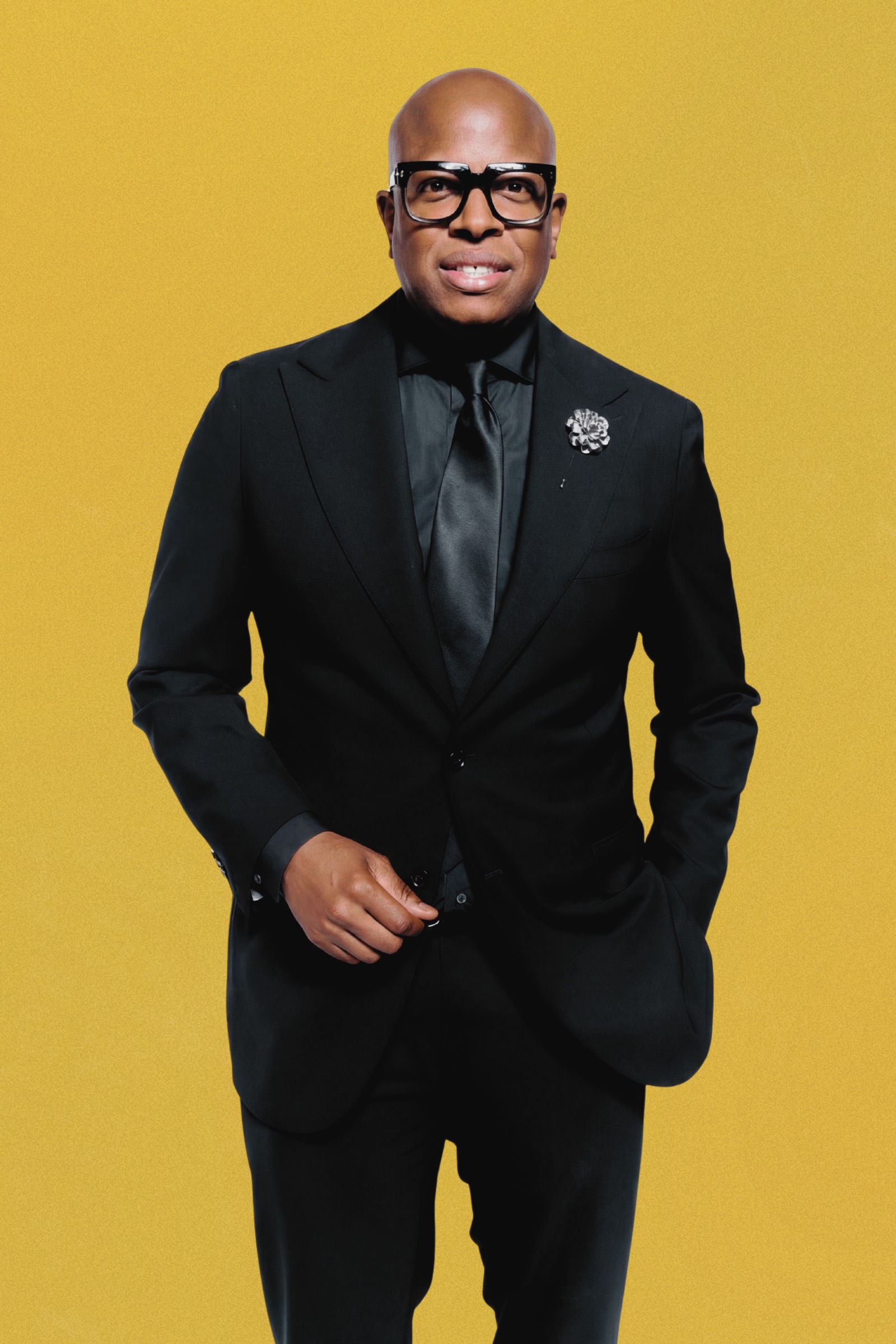
The question comes everywhere: checkout lines, family reunions, the elevator, first dates. For years, every version of it hit me like a spotlight, because I heard it as an accusation: explain yourself. The turning point wasn’t growing a thicker skin. It was realizing the question is almost never hostile. It’s curiosity wearing bad manners. Once I stopped hearing an attack, I could answer like a person instead of a defendant.
The anatomy of an answer that doesn’t shrink
Every good answer I’ve ever given has three parts, and it fits in one breath:
- The fact. “It’s alopecia.” Name it plainly. A named thing is a normal thing.
- The reassurance. “I’m completely fine.” This is the part they actually need. Most askers are quietly worried for you.
- The redirect. “How’s your day going?” This closes the topic without slamming a door.
What kills an answer is the fourth part people add under pressure: the apology spiral. The over-explaining, the nervous laugh, the “I know it looks weird.” Cut it. You are not the awkward thing in this exchange. The question was. Let the asker carry their share of it.
Different askers, different answers
The stranger. Minimum viable answer: “Alopecia. I’m good.” Smile optional. You will never see this person again; spend accordingly.
The kid. My favorite audience, honestly. Kids aren’t rude, they’re efficient. Give them a simple fact with a little wonder in it: “My hair decided not to grow. Isn’t that interesting? Some people’s hair does that.” They nod, satisfied, and move on, usually faster than their mortified parent. Bonus: every adult within earshot just learned how normal this is.
The date. Say it early enough that it isn’t a secret, briefly enough that it isn’t a theme: “You may have noticed the look: alopecia. Zero maintenance, great in the wind. Anyway…” If they need more than a sentence, you’ve learned something useful about them, cheaply.
The coworker. Information posture, then back to business: “Alopecia. My immune system and my hair don’t get along. Happy to answer questions once. Now, the deadline…” I’ve written a full set of workplace scripts here.
When you don’t feel like answering
Some days you have the bandwidth to be an ambassador; some days you’re just trying to buy groceries. Both are allowed. On the no-bandwidth days: “I’d rather not get into it, but thanks for asking kindly.” Complete sentence. You’re not obligated to turn every checkout line into a teaching moment. The mission is to live your life, not to staff an information booth.
You’re informing, not apologizing. The room takes its cue from whichever one you do.
Why this gets easier, and then, strangely, good
Here’s what nobody told me: after enough reps, the question stops costing anything. And a while after that, it flips. The question becomes a doorway: to a real conversation, to someone whispering “my sister has it too,” to a kid deciding bald is just another way heads come. In the 5 Rs, that’s Radiate: the point where your answer stops being defense and starts being a gift to the next person who needs to see it handled well. You get there one breath at a time.
Lived experience, not medical advice. For medical questions about alopecia, talk with a professional; for community, visit the National Alopecia Areata Foundation.