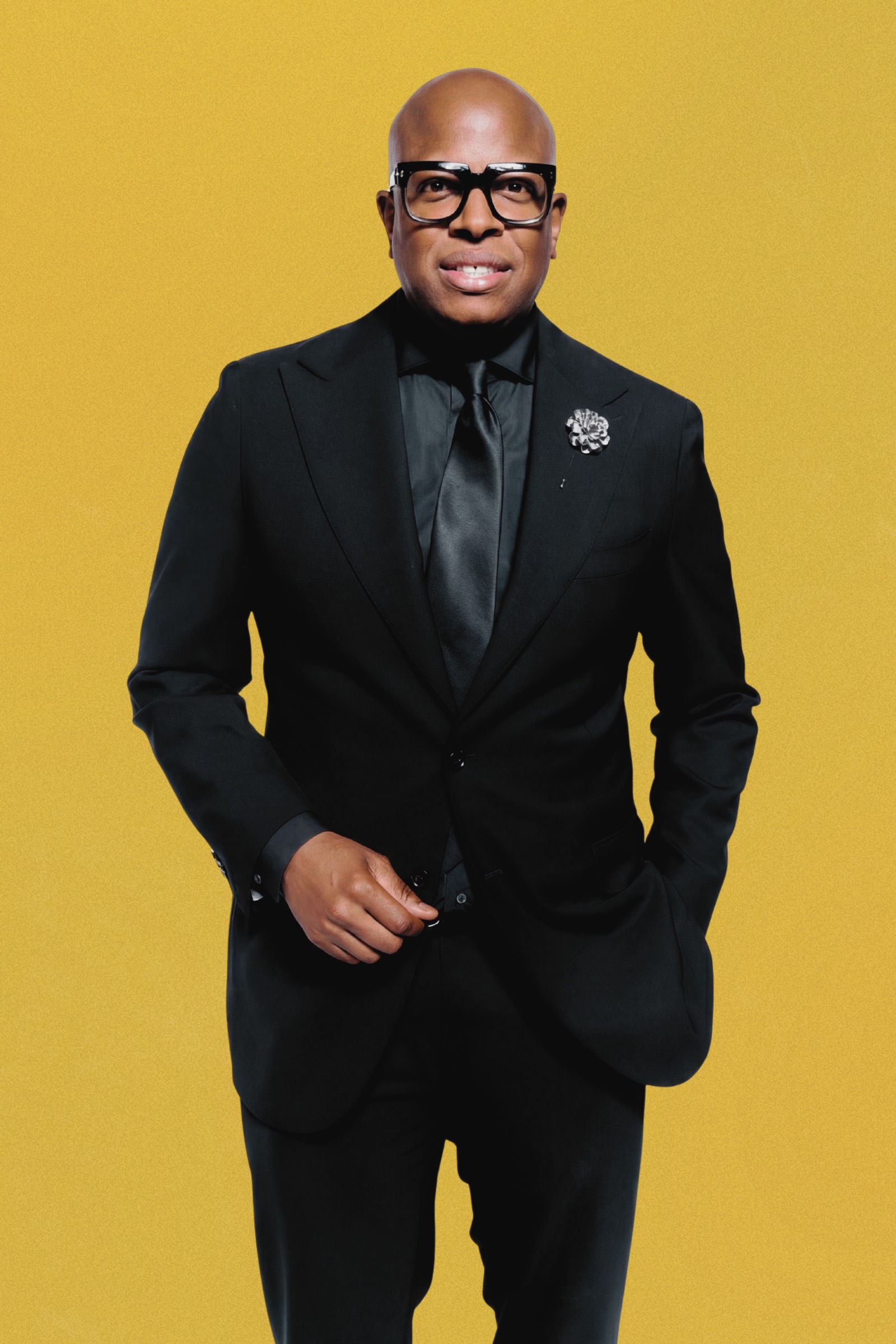
Let me tell you where I’m standing. I’m not a parent writing about a kid with alopecia. I’m the kid. I found my first bald spot at fifteen. By seventeen it was all gone: scalp, eyebrows, eyelashes. I know what that hallway feels like from the inside. I’ve also spent years as a NAAF mentor sitting with parents asking exactly what you’re asking, usually about ten days before school starts, usually late at night.
So here’s the hard part first. You can’t make this painless for them. Some day this year, somebody will say something, and your kid will come home quiet. That doesn’t mean you did it wrong. What you can do is make sure they don’t walk in empty-handed.
What do I actually say to them?
Less than you think, and earlier than you want to.
The most useful thing you can hand a kid before school is one sentence. Not a speech. Not a fact sheet. One sentence, short enough to say while walking. Something like:
“It’s alopecia. My hair fell out. You can’t catch it.”
That’s it. Then practice it in the car until it’s dull. Say it back and forth. Let them do it in a silly voice. Let them get bored of it. Bored is the goal. A question only catches you off guard when you have to build the answer on the spot, and a nine-year-old building an answer on the spot in front of six other kids is where the bad afternoons come from.
Let them pick the words, too. If they want to say “my hair took a vacation,” let them. It’s their head and their room. I keep a longer set of these lines for strangers, kids, and coworkers in “Answering ‘what happened to your hair?’”. Steal whichever one sounds like your kid.
Should I tell the teacher, or does that make it a bigger deal?
Tell the teacher. Before day one, not after the first hard afternoon.
I know the worry. You think flagging it turns your kid into The Kid With The Thing. Usually the opposite happens. A teacher who already knows handles the first question smoothly and it dies right there. A teacher caught off guard freezes up, or makes a whole classroom moment out of it.
Keep the email short:
- What it is, in one line. “Maya has alopecia areata. Her hair fell out. It isn’t catching and it doesn’t hurt.”
- What she wants. To be asked like a normal person, not announced to the class. Some kids want the opposite: say it once on day one, then drop it. Ask your child first. That’s the part parents skip.
- Headwear, if it applies. If the school has a no-hats rule, settle it now, in writing, not in a hallway.
- What you want if teasing starts. A quiet word, a call to you, whatever your read is.
You’re not asking for special handling. You’re taking the guesswork away from an adult who has twenty-six other kids to think about. The National Alopecia Areata Foundation puts out a school packet you can attach if you’d rather not write the explanation yourself.
What if the other kids are cruel?
Some of them will be. Most won’t. Most kids are just curious and clumsy about it, which can look like cruelty from across a cafeteria without being cruelty. Teaching your child to tell those two apart is worth more than any comeback you could give them.
Curiosity sounds like a question. Cruelty repeats itself after it’s already been answered. The first one gets the sentence. The second one gets an adult. And your kid needs to hear you say, out loud, that telling a teacher isn’t tattling and isn’t weakness. Kids mostly stay quiet about teasing because they think reporting it proves they couldn’t handle it. Say the opposite before they need it.
When they do come home flattened, fight the urge to fix it in the first ten minutes. Let them be mad about it. “That was garbage, I’m sorry” lands better than a lesson. The lesson can wait until Thursday.
Hat, wig, or nothing: who decides?
They do. And they get to change their mind, repeatedly, without it meaning anything.
I spent years under hats and du-rags. Looking back, the hat was never the problem. The problem was that I wasn’t choosing it, I was hiding behind it, and those two look identical from the outside. A kid who wears a hat because they like the hat is fine. A kid who wears a hat because they believe nobody can stand to look at them without it needs something other than a rule about hats.
So don’t make a bare head the finish line, and don’t treat the wig as failure. Hat Monday, bare head Wednesday, wig for picture day. That’s not your kid being inconsistent, that’s your kid running an experiment. I worked the whole decision through for adults in “Wig, hat, or nothing?”, and it holds up at eight years old too. The question isn’t what’s on your head. It’s who picked it.
Why your face matters more than your words
Here’s the one I most want you to hear.
Your child is watching you for the verdict. Not listening. Watching. If you say “it’s no big deal, sweetheart” with a tight jaw and wet eyes, they’re going to believe your face. Every time. Kids have great instruments and terrible information. They take the reading, then invent a reason for it, and the reason they invent is almost always something must be really wrong with me.
They learn how much to fear this from how much you look like you’re bracing.
This is Recognition and Response in the 5 Rs, and here they belong to you before they belong to your kid. Recognition means admitting you’re grieving hair you didn’t lose. That grief is real and you’re allowed to have it. Response is choosing where you do it. With your spouse. With a friend. In a parent support group, and NAAF runs good ones. Just not across the breakfast table from the person still trying to work out whether they’re okay.
Then give them the other thing you’ve got, which is proof. Get them in a room with people who look like them: a NAAF conference, a kids’ camp, even a video call with one other bald kid. I’ve watched a child walk into a room like that braced and walk out loose. It’s never the speeches that do it. It’s watching somebody who looks like you laugh with their whole face. Ten minutes of that beats a year of reassurance from a parent with hair.
This is lived experience, not medical advice. For medical questions about alopecia, talk with a professional; for family resources, school packets, and support groups, start with the National Alopecia Areata Foundation.