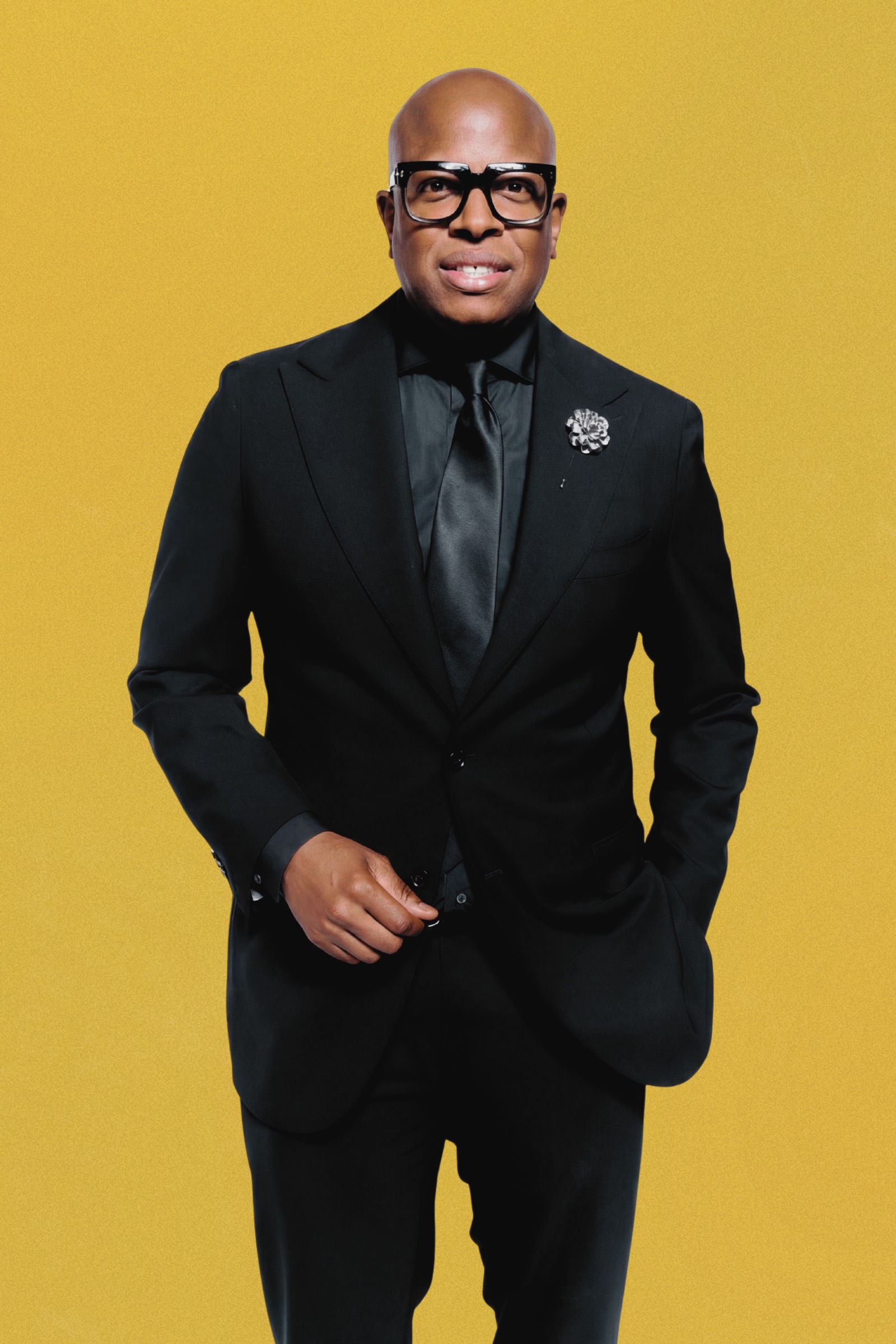
I’m going to answer this honestly, because I spent years asking it myself. Not out loud. In the parking lot before meetings, doing math about hats. I’d already lost everything to alopecia universalis by seventeen: scalp, eyebrows, eyelashes. Then I walked into a technology career where most of the people above me had hair, and I quietly assumed that was part of why they were above me. If you’re asking this question, some version of that assumption is probably running in your head too. So let’s look at it straight.
What the research actually says
People have studied this, and the results don’t agree with each other. One line of research found that men with a full head of hair got rated as younger, healthier, and more likely to be picked as a leader. Another well-known study found the opposite: men with a fully shaved head got rated as more dominant, more confident, and more capable of leading. Same bald head, two different verdicts.
Here’s the part that matters. In both cases the effects were small. Small enough that a single good meeting wipes them out. And the study that favored bald men found the difference came down to one word: choice. Hair that looks like it’s slipping away reads as passive. A head that looks owned reads as decisive. The room isn’t grading your scalp. It’s grading whether you look like you’ve made peace with it.
I didn’t choose alopecia. But I did, eventually, choose how I wore it. That turned out to be the only vote that counted.
So what does a room actually read?
After years on both sides of the conference table, I can tell you exactly what people pick up on, and it isn’t hair. It’s bracing. A person who walks in expecting judgment does small things without knowing it. They answer half a beat late. They hedge. They cut their own wins short. They audition for the room instead of talking to it.
The people across the table can’t tell whether you’re bracing because of your head or because you doubt your numbers. It all looks the same from the outside: like someone who isn’t sure they belong. That’s the real career cost, and notice where it lives. Not on your scalp. In your posture, your pace, and your pocket full of unspoken explanations.
In the 5 Rs I teach, this is Recognition: seeing the situation without flinching and without softening it. The situation is not “bald men can’t lead.” The situation is “I’ve been leading from behind a wall, and walls read as distance.”
A bald head gets noticed for about three seconds. Bracing gets noticed for the whole meeting.
The hiding costs more than the hair
Let me be specific, because this is where I lost the most ground. For years I ran a background program in every meeting: who’s looking, who’s wondering, is the hat okay, should I say something. That program eats attention. Attention is what you need to catch the one question that matters, to read the room, to notice when the client’s face changed. I was showing up at maybe seventy percent, and I blamed the thirty percent on my head.
The day I stopped hiding wasn’t brave. It was tired. I was worn out from managing a secret that wasn’t even a secret. Everybody could see my head. The only person the hat was fooling was me. When I put it down for good, I got that thirty percent back, and my work changed before anyone’s opinion of me did.
If you wear a wig or a hat because it’s genuinely part of how you move through the world, keep it. That’s a style choice and I respect it. But if you’re wearing it as fear management, be honest with yourself about what it’s costing you in the rooms where careers get decided.
Three things that actually moved my career
None of these are about hair. That’s the point.
- Settle the question once, on your own terms. Decide your one sentence about alopecia and have it ready, whether or not you ever use it. Mine is short: “I have alopecia. It doesn’t affect my health or my work.” Once that sentence exists, the background program shuts off. You stop rehearsing an explanation you don’t owe anyone. If you want the scripts, I wrote up how to tell coworkers about your alopecia.
- Make your results the loudest thing about you. People remember what you did for them long after they forget what your head looked like. Keep your three proudest outcomes ready to say out loud, plainly, like facts. A bald head with a track record is a leader. A bald head that apologizes for itself is a distraction. The head is the same in both. The track record does the talking.
- Take the visible jobs. The presentation nobody wants. The client meeting. The stage. I avoided these for years because they meant being looked at, and every time I avoided one I handed a rung of the ladder to someone else. Being seen is the job of leading. You can’t opt out of it and still climb. If the first big room is a job interview, I’ve written about showing up bald to a job interview.
What about the people who do judge?
They exist. I’ve met them. Somebody’s face does a thing, or a comment lands in a meeting that shouldn’t have. Here’s the reframe that saved me a lot of nights: that reaction is free information about that person and that workplace. If a bare head is a problem for them in a meeting, it will still be a problem after the promotion. You didn’t just lose an ally. You found out early who was never going to be one.
You can’t control the first look. You fully control the next sentence, and the next quarter of results, and whether you show up again next week. That’s Response, the second R. Reaction is automatic. Response is a decision. Over a career, the decisions are what add up.
The honest version of the answer
Does being bald hurt your career? It can cost you a few seconds at the start of every new relationship. It cost me years, but only because I let those few seconds run the whole meeting. The hair was never the ceiling. The bracing was. Once I put that down, the rooms I was scared of became the rooms I now get paid to speak in.
I am hairless. The fearless part came later, and slower, than I wanted. But the career came with me the whole way.
I’m not a doctor, and this isn’t medical advice. It’s lived experience. For medical questions about alopecia, talk with a professional; for community and resources, the National Alopecia Areata Foundation is a great place to start.