If you typed this question into a search bar, I’m guessing you already feel it and you’re checking whether you’re allowed to. Maybe somebody told you it’s just hair. Maybe you told yourself that. Either way, you’re sad about something the world keeps calling small, and now you feel sad and a little silly for being sad. I know that double weight well. I carried it for years.
Why does losing hair hurt this much?
Because it was never just hair. Your hair is the first thing you see in the mirror every morning. It’s how old friends pick you out of a crowd. It’s in every photo of you that exists. When it goes, you lose the face you’ve always known, and you lose it in public, where everybody can see it happen.
For me it went all the way. Scalp, eyebrows, eyelashes, everything, gone by seventeen. I didn’t have a word for what I felt back then. I just knew I didn’t recognize the guy in the mirror, and I didn’t like him much either. So I covered him up. Hats. Du-rags. Whatever kept the question away.
Looking back, that was grief. I just didn’t call it that, because nobody around me did either.
Why do people act like it’s vanity?
Because from the outside, hair looks like decoration. People who’ve never lost theirs think of it the way they think of a haircut: nice, but optional. So when you’re hurting, they reach for the fastest fix they can find. “It’s just hair.” “At least you’re healthy.” “You can rock it.”
They mean well. Most of them really do. But every one of those lines skips straight to the happy ending, and it quietly tells you that your feelings are out of proportion. I wrote a whole piece on what not to say to someone with alopecia, and that skip is the reason most of those lines miss.
Here’s what I wish someone had told me at seventeen: how big a loss feels isn’t something other people get to vote on.
You’re not sad about vanity. You’re sad because the face you’ve always known changed without asking you.
What does grieving hair loss actually look like?
It doesn’t always look like crying. Sometimes it does. But a lot of the time it shows up sideways:
- Avoiding mirrors, or checking them way too often.
- Deleting photos, or ducking out of them before anyone raises a phone.
- Getting angry at your body, at the timing, at people with great hair who complain about bad hair days.
- Bargaining, the endless “if I just find the right thing, it’ll go back to how it was.”
- Pulling back from the pool, the date, the family reunion, the stage.
I did almost all of these. The pulling back cost me the most. Every time I skipped something, I told myself I was protecting myself. Really I was just grieving alone, which is the slowest way to do it.
How do you move through it without faking fine?
I’m not going to hand you a five-step fix, because grief doesn’t work like that. But here’s what actually helped me, in the order it happened.
Name it. Say it out loud, even just to yourself: “I’m grieving my hair.” In the 5 Rs I teach, this is Recognition, seeing the thing clearly without flinching and without shrinking it. The day I called it grief, something in my chest let go. It wasn’t fixed. It was finally honest.
Stop arguing with the feeling. You can be grateful you’re healthy and still be sad about your hair. Both are true. You don’t have to win that argument before you’re allowed to feel better.
Tell one person the real version. Not “I’m fine, it’s whatever.” The real one. Grief gets heavier in secret and lighter in company. If you don’t have that person yet, NAAF runs support groups full of people who will get it without you explaining a thing.
Take one small step back into your life. Not the big reveal. One photo you don’t duck out of. One trip to the store without the hat. I wrote about going out bald for the first time because that first small step did more for me than years of waiting to feel ready.
And one honest note: if the weight is sitting on your sleep, your work, or your relationships for weeks, talk to a counselor or therapist. That’s not a sign you’re failing at this. It’s a smart way to carry something heavy.
Does the grief ever come back?
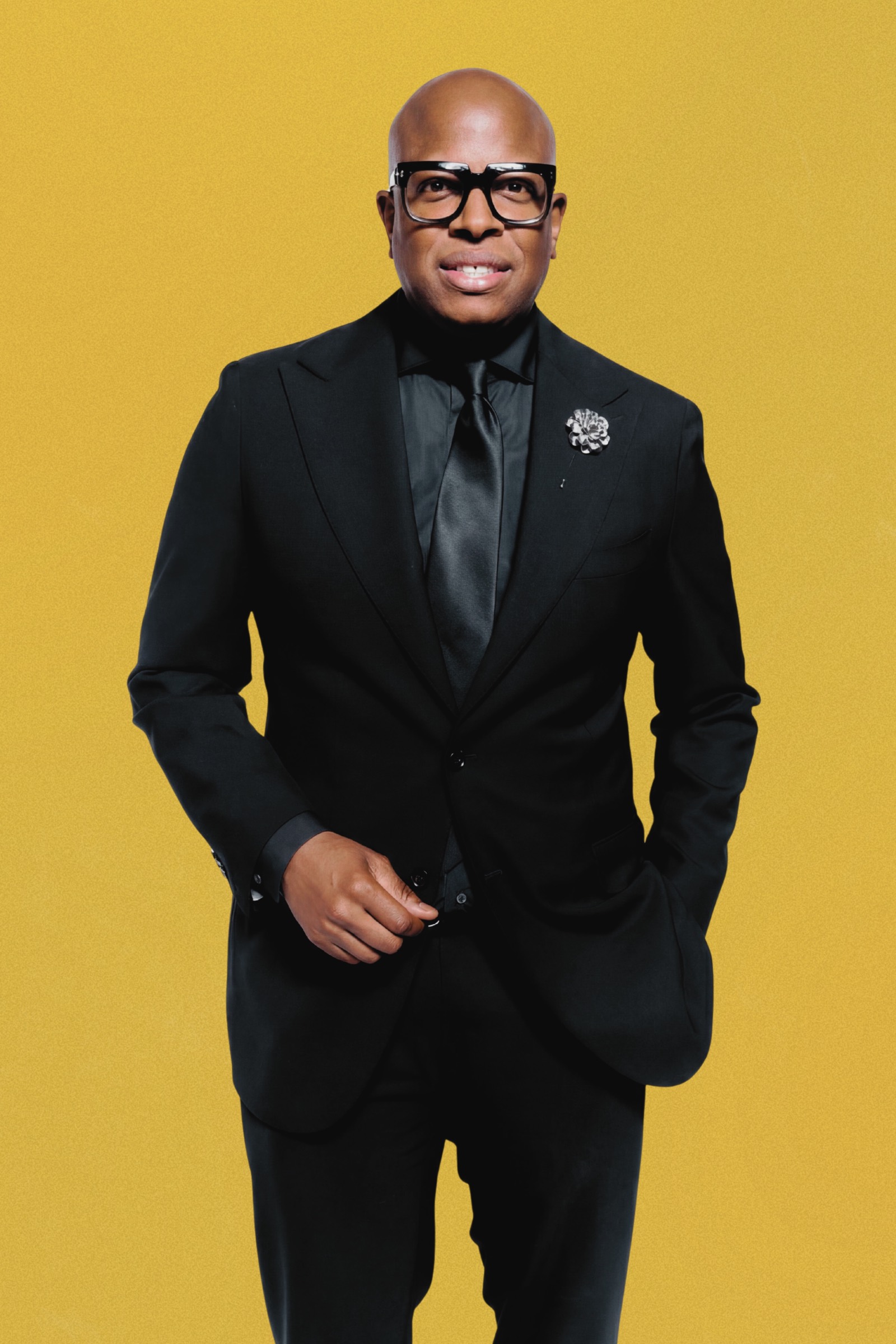
Yes, and I want you to hear that from me so it doesn’t blindside you. I’ve been bald since I was a teenager. I speak on stages about it now. And every so often an old photo, or a wedding, or a barbershop I walk past, still gets me for a minute.
That’s not going backward. That’s just love for something you had. The difference now is that the feeling visits. It doesn’t move in. I let it sit for a minute, then I get back to my day.
Your limitation can become your launching pad. But you don’t get to launch from a place you won’t admit you’re standing in. So if you’re grieving, grieve. It’s normal. It’s honest. And it’s the first step, not the last one.
I’m not a doctor, and this isn’t medical advice. It’s lived experience. For medical questions about alopecia, talk with a professional; for community and resources, the National Alopecia Areata Foundation is a great place to start.