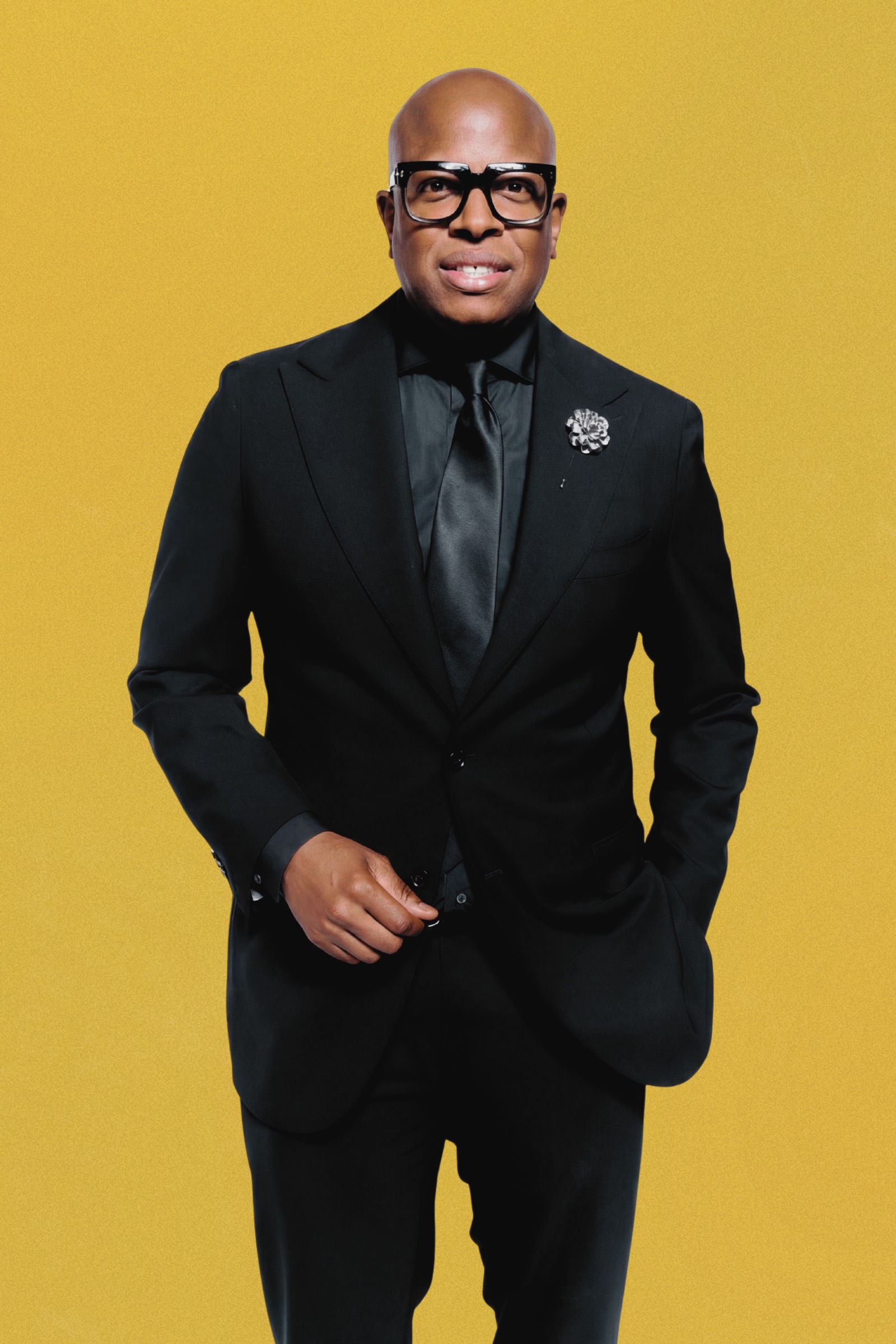
I’ve had no hair anywhere since I was seventeen. Scalp, eyebrows, eyelashes, all of it. So I’ve heard every line on this list, and here’s the part that matters: most of them came from people who love me. My family. Guys I played ball with. Coworkers who were trying to be nice.
Nobody set out to say the wrong thing. That’s why I’m writing this. If somebody you care about is losing their hair and you’re scared of saying something dumb, good. That fear means you care. Let me save you a few of the ones I still remember, and give you what I wish people had said instead.
Why does “it’s just hair” land so badly?
Because it’s not just hair to the person in the mirror, and they already know you’re trying to make them feel better.
Here’s what “it’s just hair” sounds like from my side: the thing you’re upset about isn’t worth being upset about. So now I’m grieving something and also feeling silly for grieving it. That’s two problems where there used to be one.
I get why people reach for it. You’re trying to shrink the thing so it hurts less. But hair is how people recognize you from across a room. It’s in every photo of you that exists. Losing it, especially all at once, is losing a version of your own face. Let it be big for a minute. It’ll get smaller on its own, and it gets smaller faster when nobody’s rushing it.
Is it wrong to ask what caused it?
Asking is fine. Guessing out loud is the problem.
“Is it stress?” “Are you sick?” “Did you do something to it?” I’ve gotten all three, and every one of them makes me correct you before I can even answer. The stress one is the worst, because tucked inside it is a little accusation: if you’d just relaxed, you’d still have your eyebrows. I promise you, nobody with alopecia needs another reason to blame themselves. We’ve tried that already. It doesn’t grow anything.
If you want to know, ask the way you’d ask about anything personal: “Do you mind if I ask about your hair?” That gives me a door I can close, and most days I’ll walk you right through it. I wrote out how I actually answer that question in how to answer “what happened to your hair?”, if you want to see it from the other side.
Should I mention the thing that worked for my cousin?
No. Please. This is the one I’d put at the top if the list had a top.
A shampoo. A vitamin. An oil somebody saw on a video. A doctor two states away. I’ve heard them all, and I know they come from a good place. But think about what the tip actually says: I’d like your head to be fixed. And what I need from the people close to me is the opposite. I need at least a few people who are fine with my head the way it is.
Also, and I say this gently, we’ve heard of it. Whatever it is. People with alopecia spend a lot of late nights reading, and whatever your cousin used probably has nothing to do with what we have. If we want your tip, we’ll ask. If we don’t ask, the kindest thing you can do is keep it.
The tip says “I’d like your head fixed.” What I needed was somebody who was fine with it as is.
Is it okay to say “you can pull it off”?
Mostly, yes, with one catch.
“You look good bald” is a real compliment and I’ll take it. What gets slippery is the version with a comparison in it. “You look better without hair, honestly.” “You’re lucky you have the head for it.” “I wish I could skip doing my hair every morning.” That last one gets said to women with alopecia constantly, and it lands like a slap, because you have a choice and they didn’t.
The tell is simple. If your compliment needs the word “lucky” or “at least” to work, it isn’t a compliment yet. “At least you save on haircuts” is a joke I make about myself now, years in. It was not funny the first year, and it wasn’t yours to make.
What about not saying anything at all?
This one surprises people. Silence can hurt more than a bad sentence.
When I started losing patches as a teenager, some people just looked past it. Never said a word. I know now they were trying not to embarrass me, but what I felt was that it was so bad nobody could even mention it. Like I’d become the thing you don’t bring up. That’s a lonely place to live, and I lived there under a du-rag for years.
You don’t have to make a speech. One sentence that proves you see it and you’re not scared of it is plenty. Then go back to normal. Normal is the gift.
So what should I actually say?
Less than you think. Here are the ones that have meant something to me, and I’ve heard the same from a lot of people I mentor through NAAF.
“That sounds like a lot.” Four words. No fix, no silver lining, no comparison. Just a person agreeing that the hard thing is hard. You would be amazed how rare that is.
“Do you want to talk about it, or do you want a distraction?” This one is gold because it hands the person the wheel. Some days I wanted to get into it. Most days I wanted to go get food and not have it be the subject.
“What would actually help right now?” And then do the thing they say, not the thing you would have wanted. If they say nothing, believe them and check again in a week.
Nothing about the hair at all, on purpose. Invite them to the same stuff you always did. Tease them the way you always did. The message underneath is: you’re still you to me. That’s the message every one of us is listening for, and the words matter a lot less than whether you keep showing up.
If the person is a coworker and you’re not sure how much to say at the office, I’ve got the other half of that conversation in how to tell coworkers about your alopecia. Read it as the coworker and you’ll see what we’re hoping you’ll do with it.
What if I already said the wrong thing?
Then you’re in good company, and it’s fixable.
Say it once: “That came out wrong. I’m sorry.” Then let it go. Don’t turn it into a long apology the person now has to comfort you through. That’s the second job again, the one where I end up taking care of you about my own head.
I can tell you exactly who I remember warmly from those early years, and it isn’t the people who never slipped. It’s the ones who slipped, caught it in one breath, and went right back to treating me like me. That’s the whole thing. You don’t have to get the words perfect. You just have to stay.
This is lived experience, not medical advice. For medical questions about alopecia, talk with a professional; for community and resources, start with the National Alopecia Areata Foundation.