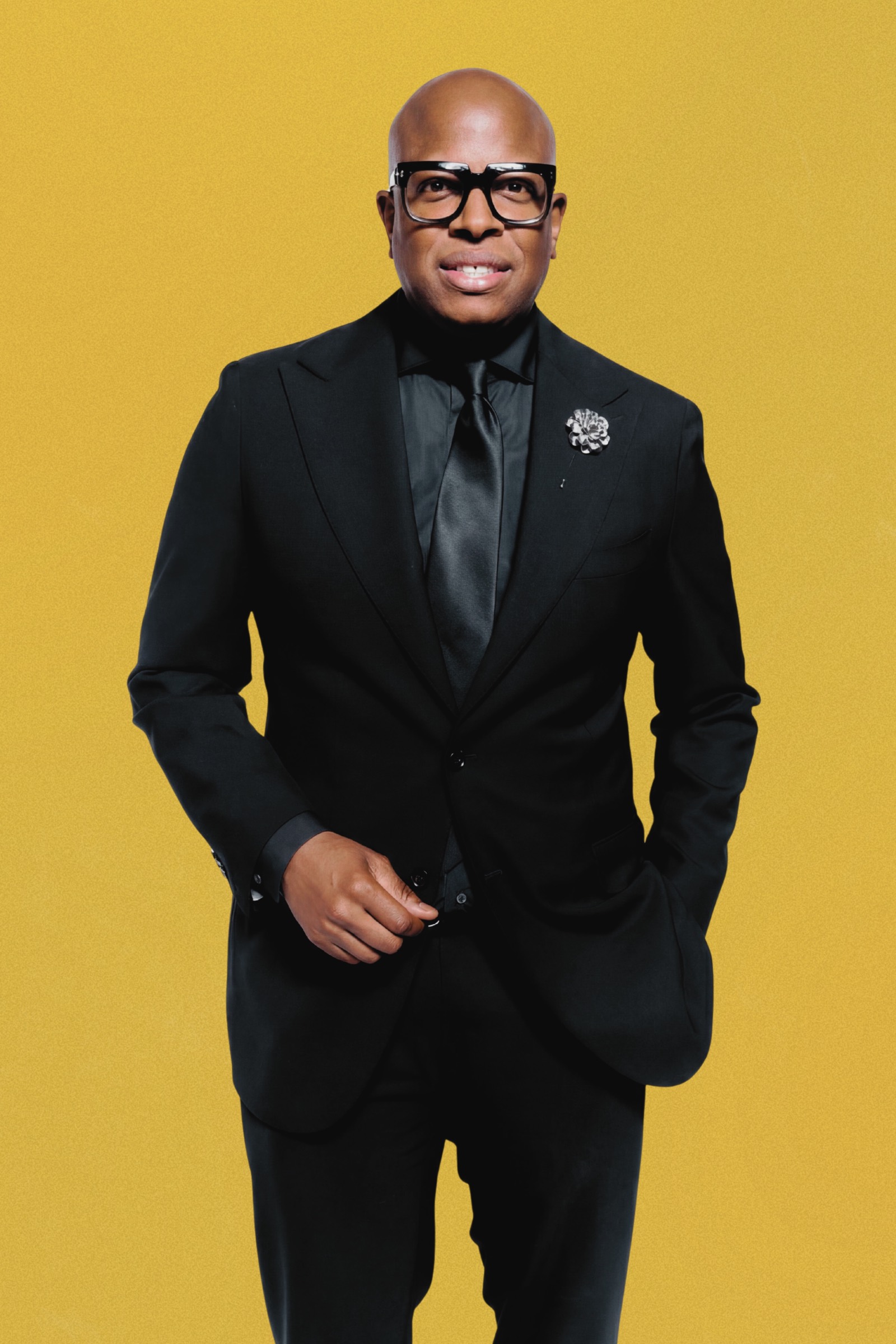
I lost every hair on my body by seventeen, long before I was anybody’s dad. So my daughters have never known me any other way. To them, Dad’s head is just how dads come. But I get messages all the time from parents whose hair is going right now, while their kids are watching. And the question is almost always the same: what do I tell them?
Here’s what I’ve learned, from being the kid who hid it and the dad who doesn’t.
Why is this so hard to say out loud?
Because you’re still figuring out how you feel about it yourself. It’s one thing to explain something you’ve made peace with. It’s another to explain something that still stings when you catch it in the mirror. A lot of parents put this talk off because they’re scared their voice will crack.
That’s okay. You don’t have to be done grieving to be honest with your kids. You just have to be honest. “This is new for me too, and some days I don’t love it” is a perfectly good sentence for a child to hear. It teaches them that hard feelings are allowed and that they pass.
What do I actually say, at each age?
Same truth, different amount of words.
- Little kids (about 2 to 6). One or two sentences, said lightly. “My hair stopped growing. It doesn’t hurt. I’m still your mom.” Little ones mostly want to know two things: is it scary, and are you still you. Answer those and they’re usually off to play.
- School-age kids (about 7 to 12). They want a little more, and they’ll ask the same question five times. Let them. “It’s called alopecia. Lots of people have it. You can’t catch it from me, and it’s nobody’s fault.” That last part matters. Kids are quick to wonder if something is their fault.
- Teenagers. Give them the real version and treat them like they can handle it, because they can. They might be more worried about what their friends will think than about you. That’s not them being shallow. That’s just being fifteen. Say it out loud so they don’t have to.
And at every age: let them touch your head if they want to. I know that sounds small. It takes the mystery out of it faster than anything you could say.
What if they get scared or upset?
Some kids cry. Some get quiet. Some ask if you’re going to die, because hair falling out is something they’ve only seen on TV when someone is very sick. Don’t panic. Answer the real question underneath: “No, I’m not sick like that. I feel fine. My hair just stopped growing.”
Then give them room. You don’t need to fix how they feel in one talk. Check in a few days later with something easy, like “Any more questions about my hair?” Kids often come back to big things sideways, in the car or at bedtime. Be ready for it then.
What should they tell their friends?
This is the part parents forget, and it’s the part kids worry about most. Their friends are going to ask. Give your kids a line ahead of time so they’re not caught off guard:
“My dad’s hair doesn’t grow. It doesn’t hurt. He’s fine.”
Then give them permission to stop there. They don’t owe anyone a full explanation, and neither do you. If they want an exit, “You can ask my dad” works great, and honestly, I love it when a kid takes them up on it. I wrote more about handling that question yourself in answering “what happened to your hair?”
If it’s your child who has alopecia, not you, the conversation shifts a bit. I covered that in what to say when your child has alopecia and school starts.
What are they really learning from you?
Here’s the thing I believe most. Your kids will forget most of the words. They won’t forget how you carried it.
If you hide, they learn there’s something to hide. If you laugh about it on a good day and admit it on a bad day, they learn that people can look different and still be completely okay. I spent years under hats and du-rags because nobody showed me another way. My daughters get to grow up with a dad who walks into any room bald and doesn’t apologize for it. That’s not because I’m fearless every day. It’s because I decided they should see what it looks like to keep going anyway.
You don’t have to get there before you talk to your kids. Talking to them is part of how you get there.
This is lived experience, not medical advice. For medical questions about alopecia, talk with a professional; for community and resources, start with the National Alopecia Areata Foundation.