If you’re reading this, someone you love is losing their hair, or already has, and you feel useless. You want to do something. You’ve probably already said a few things that didn’t land, and now you’re scared to say anything at all. I get it. And I want you to know that the fact you’re looking this up already puts you ahead.
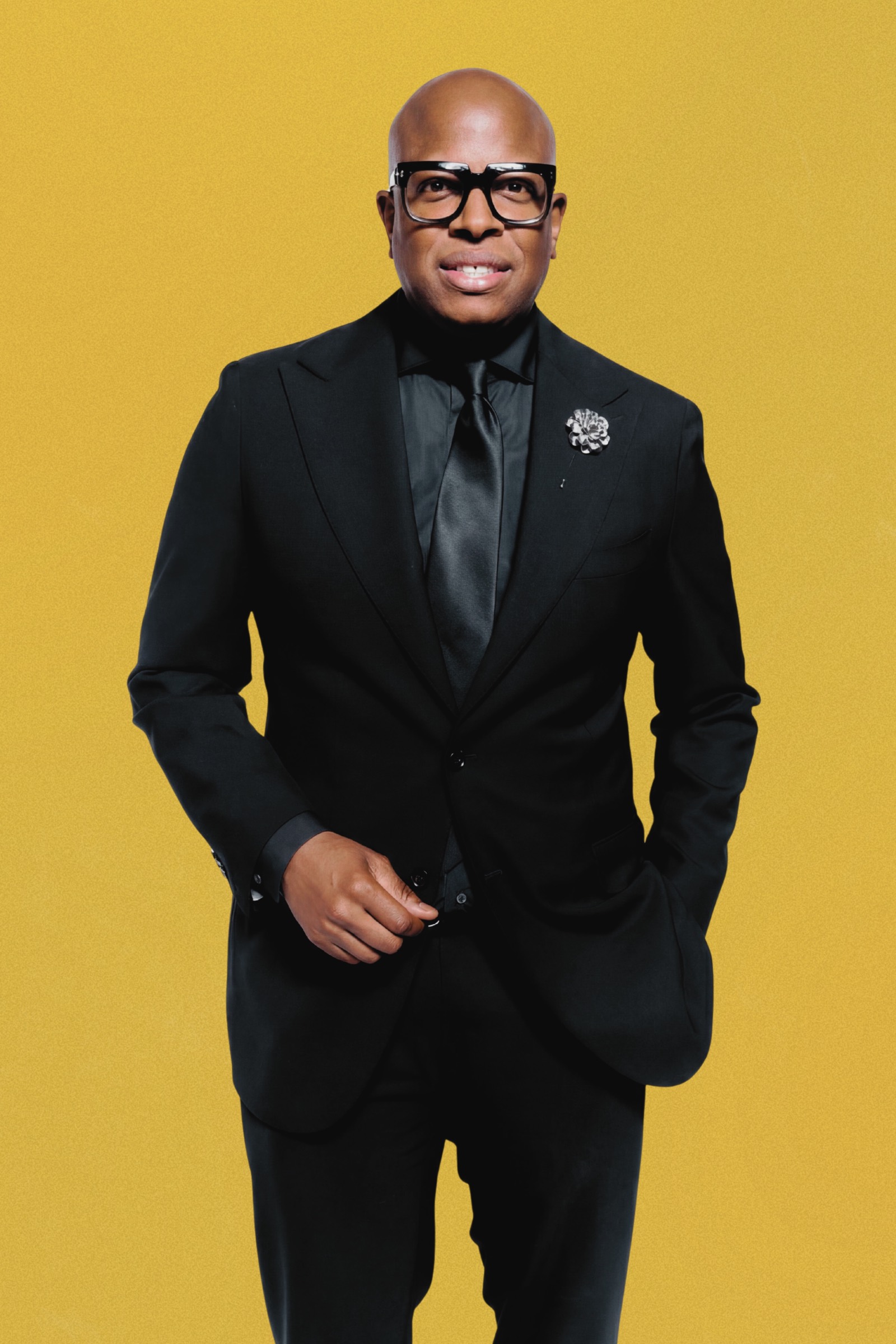
I lost every hair on my body to alopecia by 17. I’ve been the person on the other side of this for most of my life. People who loved me tried to help in a hundred ways. Some of it carried me. Some of it made me want to put my hat back on and leave the room. Here’s the difference, as plainly as I can put it.
Why does it feel like nothing I say helps?
Because most of what we say when someone’s hurting is built to make the hurt stop fast. “It’s just hair.” “You look fine.” “At least you’re healthy.” Every one of those is love trying to skip to the end.
The problem is your partner isn’t at the end yet. They’re in the middle. When you skip ahead, what they hear is “please stop feeling this.” So they stop telling you. Not because they feel better, but because it’s easier to hide it than to keep having it shrunk.
Losing your hair can be real grief, and grief doesn’t want a pep talk. I wrote about that in whether it’s normal to grieve losing your hair. If you read one other thing today, read that. It’ll help you understand what your partner might not be able to say out loud.
What actually helps?
Less than you’d think, and more than you’d guess. Here’s what I’ve seen work, for me and for the people I mentor through NAAF.
- Ask what they need right now. “Do you want me to just listen, or do you want my take?” One question. It saves you from guessing wrong.
- Let the sad part be sad. Sit there. Say “Yeah, that’s a lot.” You don’t have to follow it with a silver lining.
- Let them run their own head. Wig, hat, scarf, nothing at all, or a different answer every week. Your job is to back the call, not make it. I broke down that choice in wig, hat, or nothing if you want to see what they’re weighing.
- Handle the outside world with them. Ask how they want you to answer when a friend or a relative asks. Then answer that way, every time, so they don’t have to.
- Keep doing normal life. Date night, the pool, the family photo. Don’t quietly cancel things to protect them. Ask instead. Pulling back “for their sake” can feel like you’re embarrassed.
You don’t have to fix it. You just have to be the one place they don’t have to hide it.
What should I stop doing?
Most of this comes from a good place, so don’t beat yourself up if you’ve done it. Just stop.
Stop sending articles and products. Unless they ask, every link says “I’m still hoping you’ll go back to how you were.” They’ve seen it all already. Believe me.
Stop guessing at the cause. “Maybe it’s stress” turns into “maybe you did this,” even when you don’t mean it that way.
Stop staring at their head. You might be checking on them. To them it feels like inspection. Look at their eyes. That’s where they are.
Stop telling their story for them. Who knows and when is their call. Even if you mean well, sharing it without asking takes away the one part they still control.
There’s a longer list in what not to say to someone with alopecia. It’s written for anyone, but partners hear these lines more than anyone.
How do I handle the hard days?
There will be hard days, even years in. A wedding, an old photo, a stranger’s comment at the grocery store. I’ve been bald since I was a teenager and those still catch me sometimes.
On those days, don’t try to talk them out of it. In the 5 Rs I teach, the first step is Recognition: seeing the hard thing clearly without making it bigger or smaller. You can help with that just by saying it plain. “Today’s a heavy one, huh.” Then stay close. Make dinner. Hold their hand in public like you always do. The second step is Response, and a lot of the time, your steadiness is what gives them room to choose theirs.
And if the heavy days start stacking into weeks, if it’s affecting sleep, work, or whether they want to leave the house, gently say so. Suggest a counselor, or a NAAF support group full of people who get it without a word of explanation. That’s not giving up on them. That’s getting more people on their side.
What about how I feel?
You’re allowed to feel this too. Maybe you miss how they looked. Maybe you’re scared, or angry at how unfair it is. None of that makes you shallow. It makes you someone who’s paying attention.
Just be careful where you put it. Take the heaviest stuff to a friend, a counselor, or other partners who’ve been there. Don’t hand it to your partner on their worst day and ask them to make you feel better about their own hair. That’s too much weight for one person.
Here’s the thing I most want you to hear. The person you love didn’t live in their hair. They’re still right there. When you keep treating them that way, you’re helping them believe it too. That’s how someone goes from different to distinctive: not alone, but with someone who never looked away.
I’m not a doctor, and this isn’t medical advice. It’s lived experience. For medical questions about alopecia, talk with a professional; for community and resources, the National Alopecia Areata Foundation is a great place to start.