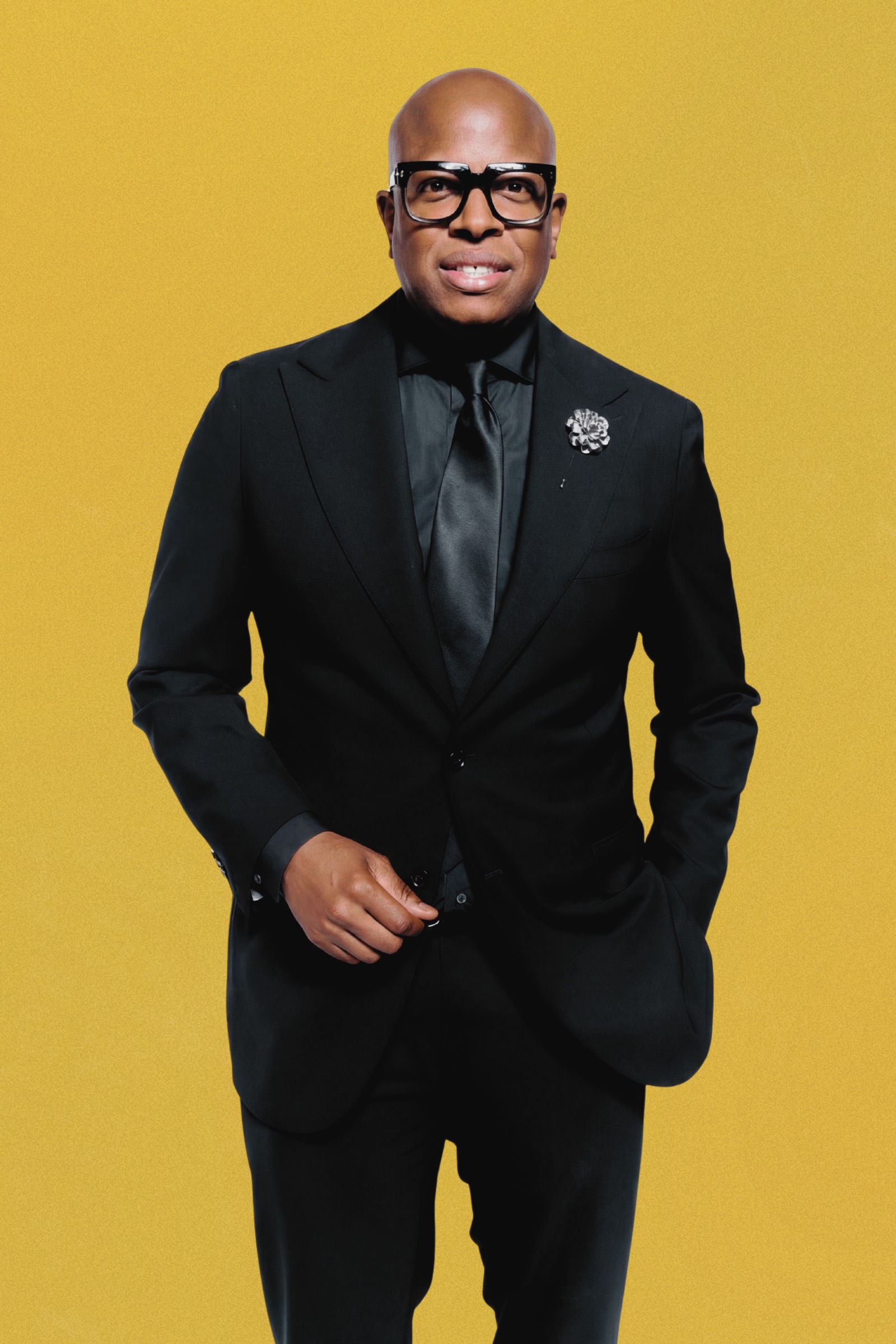
The first year I went out bare-headed, I could feel a look from across a parking lot. Cereal aisle, gas pump, waiting room, it didn’t matter. Somebody’s eyes would land on my head and my whole body would go tight, and I’d spend the next ten minutes running a conversation with a stranger who had already forgotten me.
Alopecia universalis took everything I had by seventeen. Scalp, eyebrows, eyelashes. I spent years after that under du-rags and hats, and part of why I stayed under them was this exact thing. Not the questions. The looking. So let me tell you what I actually know about it now, after a lot of years of being looked at.
Are people really staring, or is it in my head?
Both. That’s the honest answer and I’m not going to talk you out of the first half.
People do look. Eyes go to whatever the brain didn’t predict, and a face with no eyebrows is not what most people were expecting in the checkout line. That’s not cruelty. It’s the same reflex that turns your head when a car backfires.
Here’s the part I got wrong for years, though. I thought a room was full of eyes. It was normally three people, for about two seconds each, and then they went back to their grocery lists. Meanwhile I was doing the looking all day, checking every face for the reaction I was sure was coming. That scanning is what wore me out. Not the stares. The waiting for them.
How long does a stare actually last?
Count it sometime. Actually count it. One, two, done.
Two seconds is a person taking in something new. Anything past four is a different animal, and it’s rare enough that I can still remember specific ones. When I started counting instead of bracing, most of what I’d been calling staring turned out to be a glance I had been giving a whole storyline to.
This is Recognition, the first of the 5 Rs I teach: see the thing at its actual size. Not smaller, so you can pretend it doesn’t sting. Not bigger, which is what fear does for free.
I was doing more looking than anyone in that room. I was just doing it at their faces.
What should I do with my face?
Look back and nod. That’s it. That’s the whole move, and it ends about ninety percent of them.
Try it once and watch what happens. A nod tells someone you saw them, you’re fine, and there’s nothing here to solve. Most people snap out of it and give you a small nod back, a little embarrassed, and you both go on with your day. What you’re doing is handing them a read on the situation, and people take whatever read you hand them. Drop your eyes and speed up, and they learn this is something to be sorry about. Nod and keep your pace, and they learn it’s just a guy buying cereal.
Your face is doing more teaching than your words ever will. I say the same thing to parents about kids with alopecia in what to say before school starts, because a nine year old is reading the adult’s face, not the adult’s speech.
Do I have to say anything?
No. Never. You do not owe a stranger an explanation for your own head, and you don’t owe anybody a cheerful little lesson about alopecia when you’re just trying to get through Target.
But sometimes you’ll want to, and it helps to have one line ready so you’re not writing it on the spot. Mine is short: “I have alopecia, so no hair anywhere. Not sick, just bald.” I say it the way you’d tell somebody the time. That flatness is the message. It says this is a fact about me, not a confession.
Some days I’ve got a sentence in me and some days I’ve got nothing, and both are allowed. If you want the longer set of lines, for the ones who actually ask out loud, I wrote those out in how to answer “what happened to your hair?”.
What about kids who stare and point?
Kids are the easy ones. I mean that.
A child stares because they’re curious and nobody has trained it out of them yet. There’s no judgment in it. So answer straight: “My hair doesn’t grow. It’s called alopecia. It doesn’t hurt.” Nine times out of ten you get an “okay” and they’re gone, satisfied, on to the next thing.
The parent is usually the awkward one. They go red and start apologizing and hustling the kid away. I try to give them an easy out, something like “you’re good, it’s a fair question.” Because if that kid gets shushed hard enough today, what they learn is that people who look different are something you’re not supposed to talk about. I’d rather they learn the other thing.
What about the stare that isn’t curiosity?
They exist. Not many, but I’m not going to pretend otherwise. The long one that doesn’t break. The elbow-nudge. The laugh with a friend.
Here’s what I’ve landed on: you owe that person nothing. Not a lesson, not a comeback, not the version of yourself that stays gracious while somebody’s being ugly. Hold eye contact if you feel like it. Leave if you feel like that instead. Neither one is losing.
What I refuse to do is take it home. That’s the only rule I’m strict about. Somebody’s twenty seconds of rudeness does not get my evening too. I’ve given away whole nights to people whose faces I couldn’t pick out of a lineup now, and I want those nights back.
Does it ever stop bothering you?
The looking never stops. I’m going to be straight with you about that instead of selling you something. I speak on stages, I walk into boardrooms, and eyes still land on my head first. That’s just how it goes when you’re the one who looks different in the room.
What stops is the bracing. Somewhere in there you notice you walked through a whole store without checking anybody’s face. Then a whole week. The stares are still happening, you’re just not standing at the door waiting for them, and it turns out that door was the heavy part all along.
If you’re not out bare-headed yet and this is what’s holding you, start with going out bald for the first time. Pick a low-stakes room. Let the two seconds happen. Then find out, with your own eyes, how little happens next.
This is lived experience, not medical advice. For medical questions about alopecia, talk with a professional; for community and resources, start with the National Alopecia Areata Foundation.